Schedule an appointment to meet with Career & Experiential Learning about your area of interest.
Make an Appointment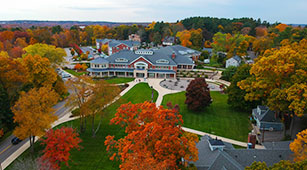
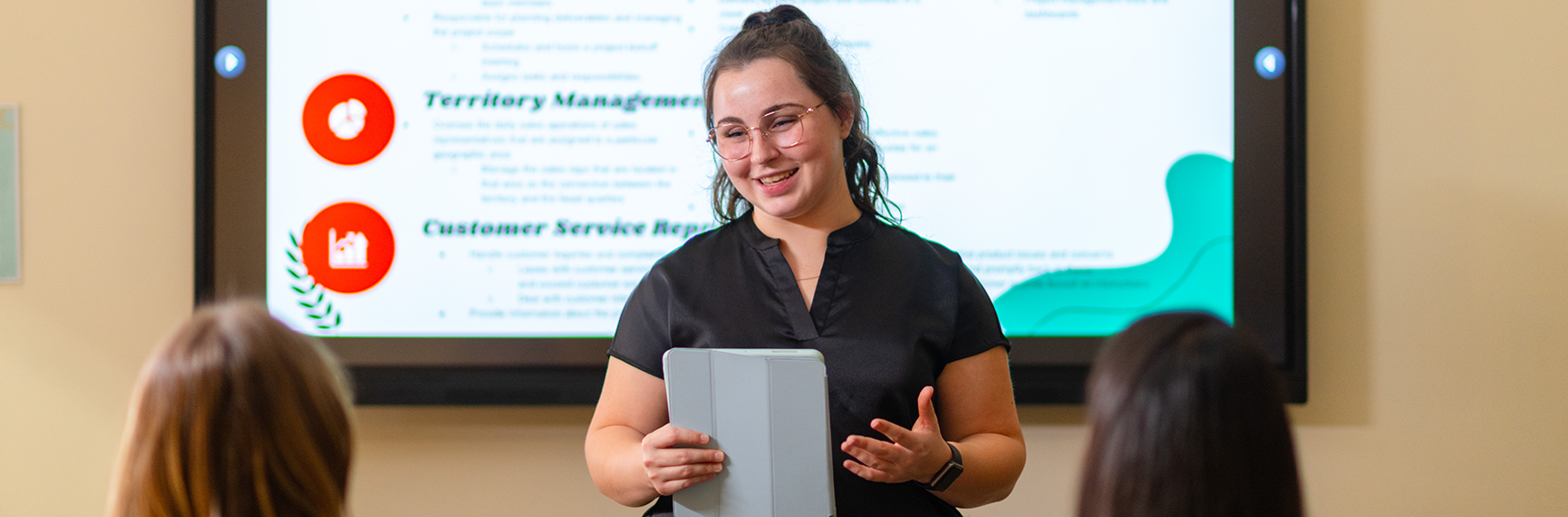

Schedule an appointment to meet with Career & Experiential Learning about your area of interest.
Make an Appointment
Student-run clubs, organizations, and events are a key part of succeeding at Curry.
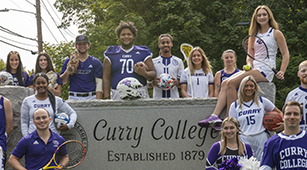
A Division III experience unlike any other. See what it means to be a Curry Colonel.

Empower our students to achieve their ambitions. Consider a gift to Curry College today.
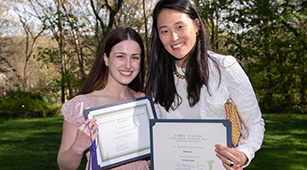
Our rich liberal arts tradition, sound career focus, and empowering and supportive environment prepare our students for success.
At Curry, you’ll work with passionate scholars eager to share their knowledge with you. But “academic excellence” doesn’t end in the classroom. We make sure every one of our students gains the tools to explore, discover, grow and expand their capacity for self-directed, lifelong learning. That means understanding how each of our students learns best and meeting them there.
To do that, we start with small classes and a 12:1 student-faculty ratio. Then use experiential learning, internships and study abroad opportunities as inspiration to explore the world. And never stop.
We prepare students to lead successful careers while being active, engaged citizens. Our executive team, led by President Jay Gonzalez, and our dedicated Board of Trustees steer Curry toward the future while remaining faithful to the tenets providing the foundation for our education—small classes, personal attention, a focus on the liberal arts and a global perspective.
Discover Our Mission and LeadershipFor generations, Curry students have excelled. But what worked yesterday isn’t guaranteed to work tomorrow. Our next strategic plan (2024-2027) is a blueprint to build on our successes, ensuring the education you receive is relevant and forward-thinking.
Strategic Plan 2024-2027Curry gives every student the space to become their best. Those with the drive and ability to excel in their studies can achieve even more through our signature academic programs and honor societies. You’ll benefit from working with others as focused as you are while learning to push yourself farther than you thought possible.
Explore Our Programs of ExcellenceLearning starts with people—and the people from whom you’ll learn at Curry aren’t just great teachers, but also accomplished leaders in their fields. You’ll benefit from both their knowledge and connections as they bring real-world insight to the classroom and opportunities outside of it.
Meet Our Faculty Learn About the Faculty CenterWe’re a small school that makes a big impact: Curry’s alumni, more than 20,000 strong, have gone on to success in science and the arts, business and healthcare—while also strengthening their communities and families. And once you’re part of our family, we’ll always be by your side, providing career enrichment and other resources.
Access Alumni Resources Read the Curry Alumni MagazineSince 1879, when the institution that became Curry College opened its doors, we have been dedicated to the individual student. And while much has changed, the core vision of Anna Baright and Samuel Silas Curry remains remarkably current: Just as they encouraged students to embrace knowledge and community, to dig deep and strive, so do we.
Review Our History and SpiritCurry College’s accreditation from the New England Commission of Higher Education is a seal of approval assuring you of our commitment to meet or exceed industry standards for excellence. In addition, several other accreditors recognize individual Curry programs for distinction.
Explore Our AccreditationA successful education yields more than a degree and a job. Every one of our academic programs incorporates milestones and skills specific to that field, and we articulate these distinct expectations as part of our Learning Outcomes.
Browse Program Learning Outcomes
The strength of a Curry education is intertwined with our campus diversity. They are not separate things. When we embrace our differences, we create a safe, welcoming environment that encourages exploration and growth.