
Schedule an appointment to meet with Career & Experiential Learning about your area of interest.
Make an Appointment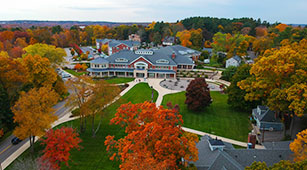


 Experience life through a scientific lens and earn your Biochemistry degree at Curry College to launch a career in scientific research, prepare for graduate or medical school, or pursue one of dozens of career paths exploring our natural world.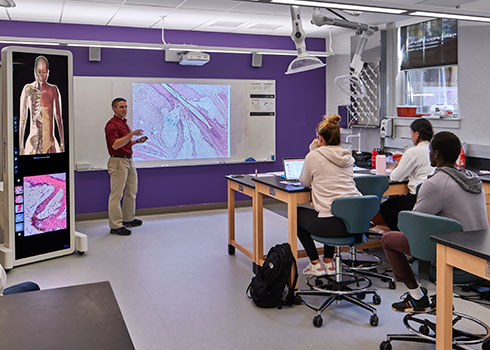
The Learning Commons
The Learning Commons and Science and Research Center was designed to support the success of every student at Curry. It provides a space and tools that facilitate the College’s approach to teaching and learning, mentoring and empowering students to help them achieve their ambitions. This powerful new feature of the Curry campus is an embodiment of the College’s mission and strategic vision for the future.

Explore Related Programs:

Undergraduate Research
One of the hallmarks of our Natural Sciences and Mathematics programs is the incorporation of undergraduate research into the curriculum. Students participating in these programs conduct real-world research in collaboration with members of our award-winning faculty.

Pre-Health Professions
If you are considering pursuing a career as a physician, dentist, veterinarian, physician assistant or other medical careers requiring an advanced degree, you should consider Curry. Our small class sizes, experienced faculty advisors, and student-centered approach will help you take the next step.

Biology Honor Society
Tri-Beta is a society for students dedicated to improving the understanding and appreciation of biological study and extending the boundaries of human knowledge through scientific research.
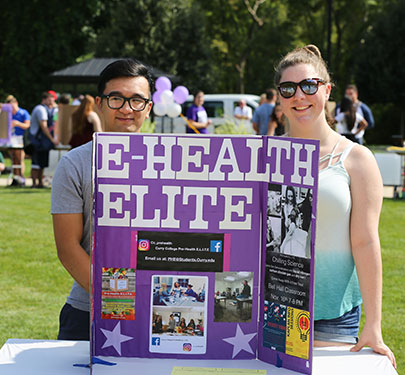
Pre-Health E.L.I.T.E.
Pre-Health E.L.I.T.E. (Enhanced Learning Implemented Through Experience) looks to strengthen the students who are interested in pursuing a career in the medical profession or exploring the field further.
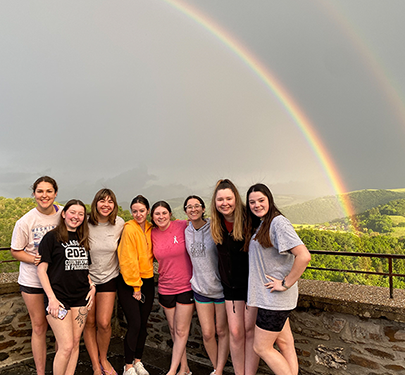
Study Abroad
Go global with Curry College faculty members as part of our very popular Short-term, Faculty-led Courses, or create your own customized Study Abroad opportunity!
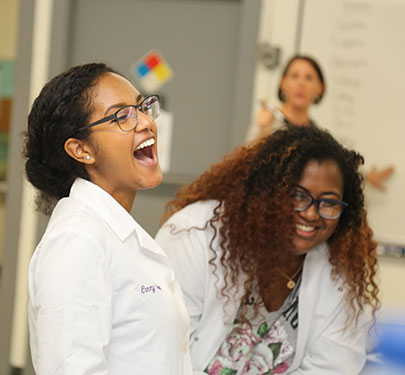
First-Year Experience
Making the transition to college can be a little confusing and lot of fun. Your First-Year Experience at Curry College helps smooth out the bumps and puts you on the path to success.
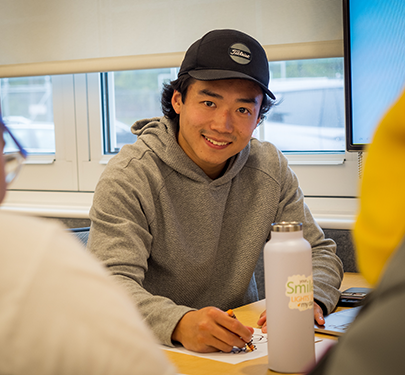
Gen Ed
At the heart of Curry College's undergraduate curriculum is our General Education (Gen Ed) Program. Gen Ed is based on our belief in the power and potential of the liberal arts.