
Schedule an appointment to meet with Career & Experiential Learning about your area of interest.
Make an Appointment



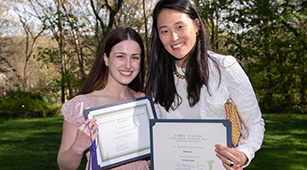


With a Love for Science and Sociology, Mackenzie Rider ’21 Charts a Unique Path of Her Own
As a first-year student, Mackenzie Rider started her career at Curry College as a biology major, with the goal of studying dental medicine. But soon, the commuter student from Attleboro discovered a broader journey at the College, filled with the exploration of new interests, opportunities, and experiences. She found a new passion in sociology, and now as a double major has forged forward with as many of her interests as possible.




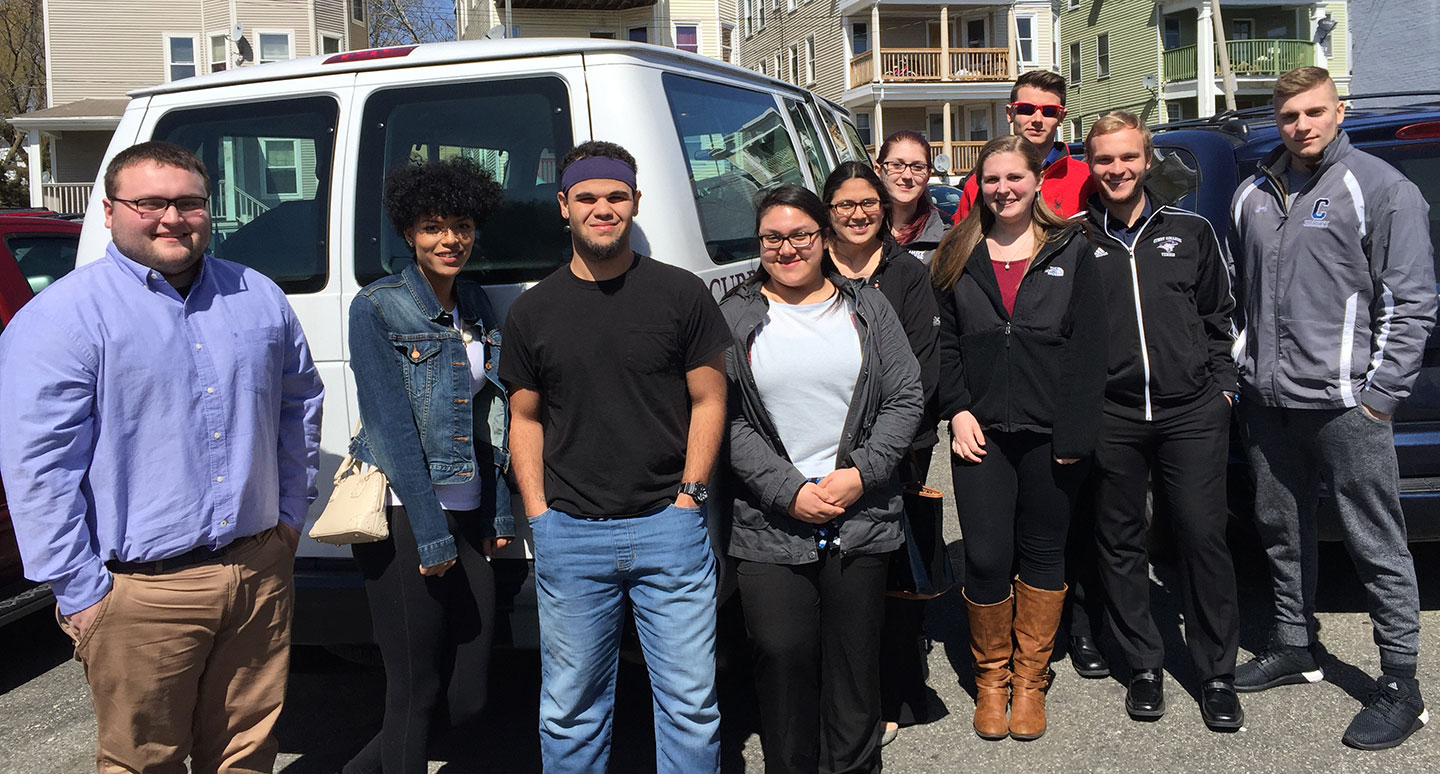



Explore Related Programs:

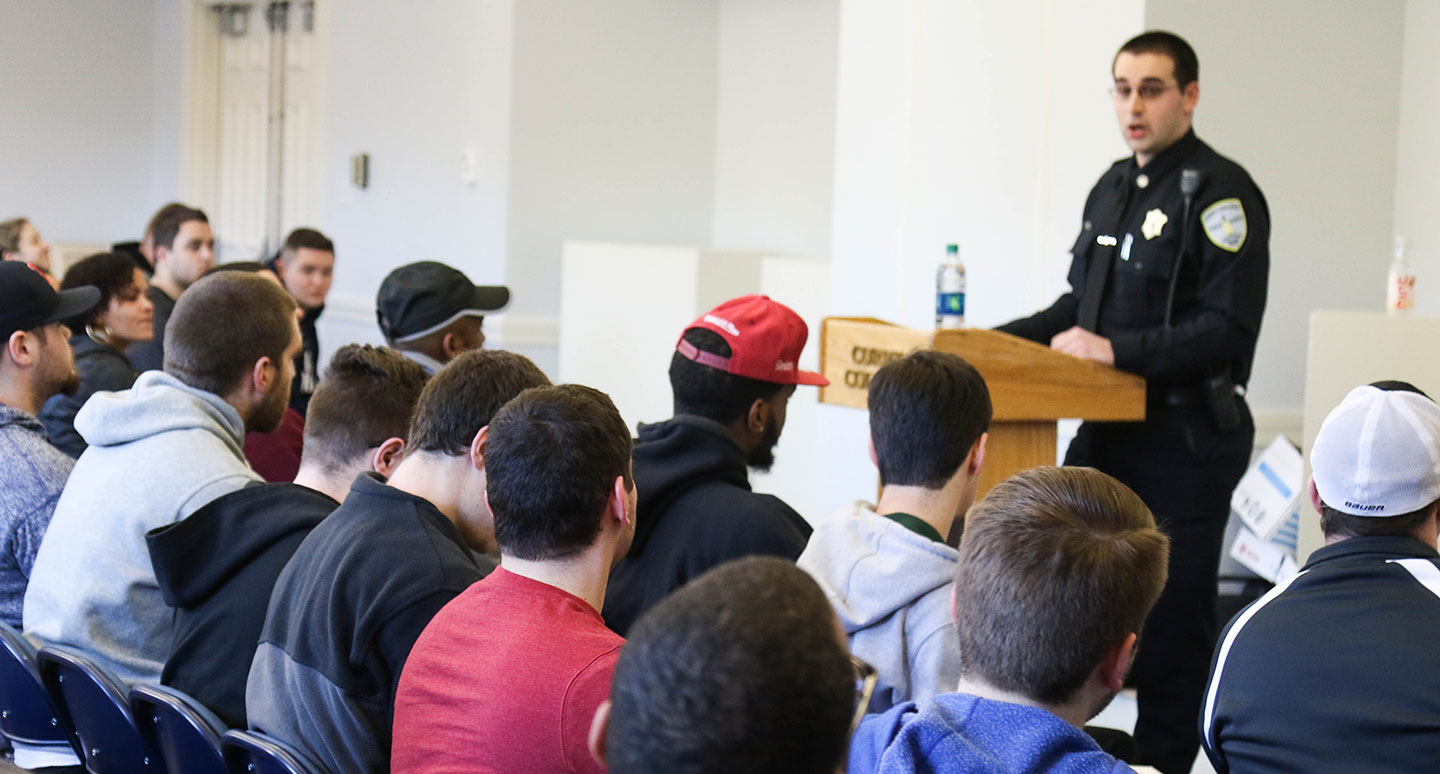
Criminal Justice Honor Society
Lambda Alpha is the Curry College Chapter of Alpha Phi Sigma, the National Criminal Justice Honor Society. Students must have a 3.2 in the Criminal Justice major and a 3.2 GPA overall to be eligible.
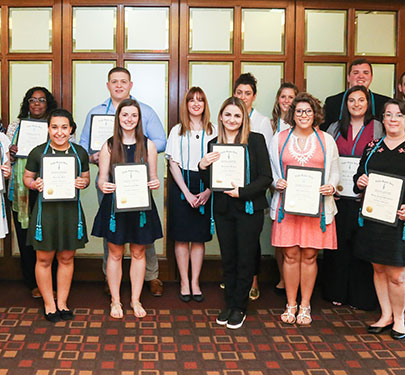
Sociology Honor Society
The purpose of Alpha Kappa Delta is to promote human welfare through the association of a fellowship group interested in developing scientific knowledge that may be applied to the solution of social problems.
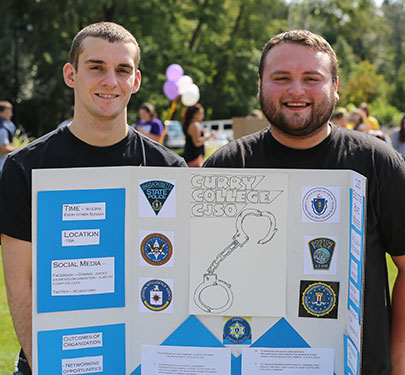
CJSO
The Criminal Justice Student Organization (CJSO) provides a place for students interested in Criminal Justice to explore the field in a variety of ways with other students who share a common interest.
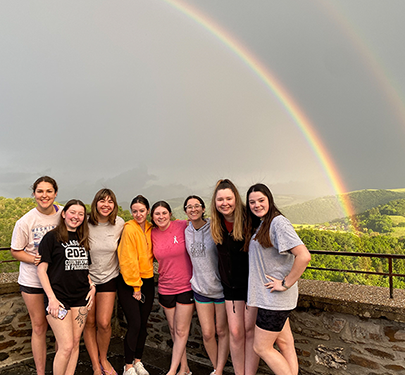
Study Abroad
Go global with Curry College faculty members as part of our very popular Short-term, Faculty-led Courses, or create your own customized Study Abroad opportunity!

First-Year Experience
Making the transition to college can be a little confusing and lot of fun. Your First-Year Experience at Curry College helps smooth out the bumps and puts you on the path to success.

Gen Ed
At the heart of Curry College's undergraduate curriculum is our General Education (Gen Ed) Program. Gen Ed is based on our belief in the power and potential of the liberal arts.