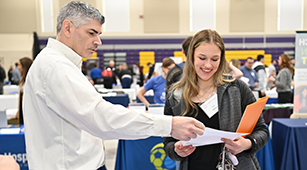
Schedule an appointment to meet with Career & Experiential Learning about your area of interest.
Make an Appointment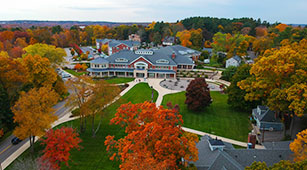
Student Life

Student-run clubs, organizations, and events are a key part of succeeding at Curry.
Get Involved!Athletics
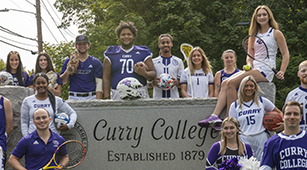
A Division III experience unlike any other. See what it means to be a Curry Colonel.
Video: Curry AthleticsAlumni
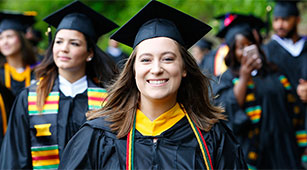
Empower our students to achieve their ambitions. Consider a gift to Curry College today.
About Us
Our rich liberal arts tradition, sound career focus, and empowering and supportive environment prepare our students for success.
Academic Excellence Philip Hulbig Senior Lecturer, PAL
PAL
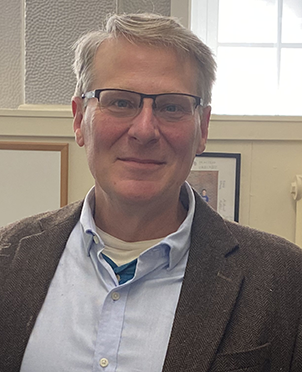
Contact Philip Hulbig
- (617) 333-2250
- Email Me
- PAL Building, Office B
1071 Blue Hill Avenue Milton, MA 02186
Philip Hulbig Senior Lecturer, PAL
PAL
Dr. Philip Hulbig is a Senior Lecturer in Curry College’s Program for the Advancement of Learning (PAL), where he has taught since 2017. A proud Curry alumnus (Class of 1993), Philip brings both personal insight and professional expertise to his work supporting neurologically diverse learners.
Philip earned his Ph.D. in Metacognition from Lesley University (2021), M.Ed. in Moderate Special Needs from Framingham State College (2003), and B.A. in Education and English from Curry College, graduating Cum Laude with membership in the Alexander Graham Bell Honor Society. His educational philosophy centers on “teaching self-authorship”, helping students become expert investigators of their own learning processes.
At PAL, Philip brings his innovative approach to self-authorship and problem solving to courses like Learning Process, Assistive Technology, and Summer PAL. He was also a founding fellow of Curry’s Maker-Space program, and ran and supervised PAL’s Peer Mentoring and Coaching program, training student mentors in metacognitive approaches. Presently, he deeply invested in designing comprehensive retention initiatives that utilize mentorship and metacognition to develop students’ unique learning strengths.
Philip’s research has earned international recognition. He is the author of The Pedagogy of Self-Authorship: The Neurocognitive Impact of Science and Metacognition (Springer Nature, 2023) and has delivered keynote presentations in Copenhagen and Oxford, contributing to global conversations on metacognitive pedagogy and educational equity.
Prior to joining Curry, Philip founded and led innovative special education programs including the Therapeutic Learning Centers in Franklin Public Schools, the Pragmatic Learning Center in Norwood, and Camp Summit. His work is grounded in the General Educational Theory of Metacognitive Instruction (GETMI) framework and emphasizes strengths-based, inclusive pedagogy.
Having experienced learning challenges himself, Philip brings authentic understanding and deep empathy to his teaching, helping students discover their neurological diversity and develop strategic approaches to learning and life.